

Key Takeaways
- Stress triggers a rapid hormonal cascade involving cortisol and adrenaline within seconds.
- Short-term stress can sharpen focus, but chronic stress strains the heart, immune system, and brain.
- The body is designed to return to calm — but repeated stressors can disrupt that recovery.
- Recognizing your personal stress signals is a foundational step in managing overwhelm.
- Evidence-based strategies can meaningfully reduce the physiological burden of chronic stress.
The Stress Response
The stress response is your body's automatic, biological reaction to a perceived threat or demand. It involves a rapid cascade of hormonal and neurological changes designed to help you act quickly. While this system is essential for survival, chronic activation — when stress becomes constant — can affect your physical and mental health in meaningful ways.
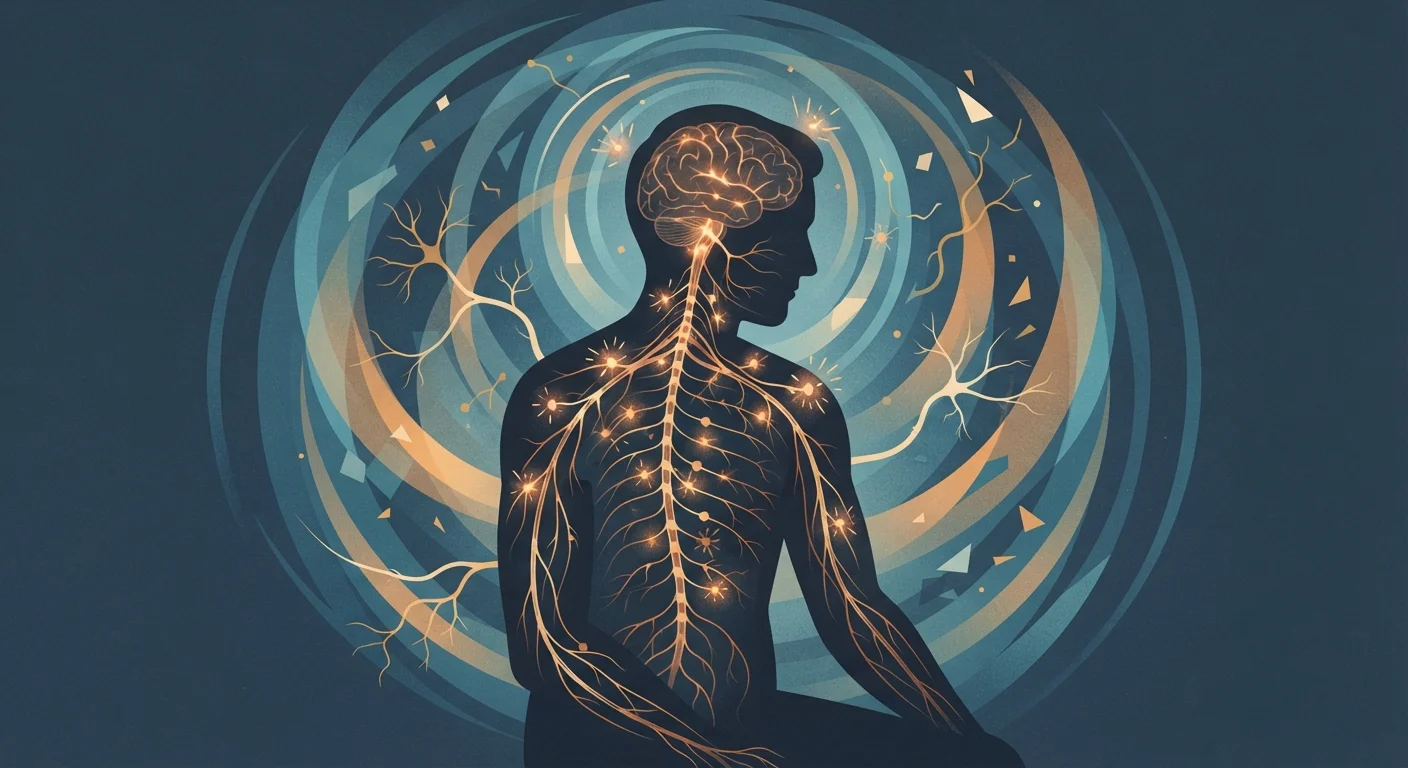
The stress response is regulated primarily by the hypothalamic-pituitary-adrenal (HPA) axis and the sympathetic nervous system, both of which coordinate the release of hormones like cortisol and adrenaline.
Your Brain Hits the Alarm Button
The moment your brain perceives a threat — a looming deadline, a difficult conversation, a sudden scare — a small, almond-shaped region called the amygdala fires an immediate signal. This triggers the hypothalamus, your brain's command center, to activate the body's stress response system almost instantaneously.
Within seconds, your adrenal glands release a surge of adrenaline (also called epinephrine). Your heart rate climbs. Your breathing quickens. Blood is redirected to your muscles. Your pupils dilate. This is the classic fight-or-flight response — a finely tuned survival mechanism that evolved to handle physical danger.
What's remarkable is that your body cannot yet distinguish between a saber-toothed tiger and a passive-aggressive email. The biological alarm is the same. For a deeper look at the terminology behind these mechanisms, see the Stress Response Glossary.
“It's not stress that kills us — it is our reaction to it. Learning to understand the body's stress response is the first step toward working with it rather than being overwhelmed by it.”
— Hans Selye, Pioneering endocrinologist and stress research founder
Cortisol: The Slower, Sustained Signal
While adrenaline is the body's first responder, cortisol is the sustained signal that follows. Released by the adrenal cortex via the HPA (hypothalamic-pituitary-adrenal) axis, cortisol keeps the body mobilized after the initial adrenaline rush. It raises blood sugar to fuel your muscles, suppresses non-essential functions like digestion and reproduction, and modulates immune activity.
In short bursts, cortisol is genuinely helpful — it sharpens attention and sustains energy when you need it. The problem arises when the signal never fully switches off. Chronically elevated cortisol has been linked to disrupted sleep, increased inflammation, impaired memory, and changes in metabolism.
77%
Adults reporting physical symptoms of stress
According to the American Psychological Association's Stress in America survey, a large majority of adults report experiencing physical symptoms they attribute to stress.
2–3×
Elevated heart disease risk with chronic stress
Research published in peer-reviewed cardiovascular journals has found that chronic psychological stress is associated with a two-to-three-fold increase in cardiovascular event risk.
30 min
Time for cortisol to peak after a stressor
Studies measuring the cortisol awakening response and stress-induced cortisol show peak levels typically occur within 20–30 minutes of stressor onset.
Chronic stress can also affect hormonal balance more broadly. If you're curious about how this plays out specifically in men's health, our article on stress and testosterone explores the hormonal link in detail.
What Chronic Stress Does to Your Body Over Time
When the stress response is activated repeatedly without adequate recovery, the cumulative physical toll — known as allostatic load — begins to mount. Research has connected chronic stress to a range of health effects across multiple body systems:
- Cardiovascular: Elevated heart rate and blood pressure over time can strain the heart and arteries.
- Immune: Short-term stress can briefly boost immunity, but chronic stress tends to suppress immune function, making the body more vulnerable to illness.
- Digestive: The gut-brain axis means stress frequently manifests as nausea, bloating, or changes in bowel habits.
- Brain: Prolonged cortisol exposure has been associated with reduced volume in the hippocampus, a brain region involved in memory and emotional regulation.
- Sleep: Elevated evening cortisol interferes with the body's natural wind-down process, creating a difficult cycle where poor sleep itself becomes a stressor.
None of this is meant to alarm — it's meant to validate. If you're feeling the weight of ongoing stress in your body, that's a real, measurable experience with a biological explanation. For practical, evidence-based ways to respond, our everyday stress management overview is a solid next step.
Your Body Is Built to Recover — Here's How to Support It
The parasympathetic nervous system — often called the rest-and-digest system — is the biological counterweight to the stress response. When the perceived threat passes, this system ideally brings the body back toward baseline: slowing the heart rate, resuming digestion, and lowering cortisol.
The challenge is that modern life rarely gives this system a clear signal that the threat is over. Deadlines recycle. Notifications don't stop. This is where intentional practices earn their scientific credibility. Slow, diaphragmatic breathing, for example, directly stimulates the vagus nerve and activates the parasympathetic system — it's not just relaxing in concept, it's physiologically restorative.
Physical movement is another well-studied pathway. Exercise influences stress-related brain chemistry in ways researchers continue to map — see our piece on exercise and the stress brain for a grounded look at the evidence. If workplace stress is a particular concern, our guide on resilience at work offers practical, evidence-informed strategies.
Understanding your body's stress system isn't about controlling every response — it's about working with your biology, not against it. And if stress feels persistent or overwhelming, please reach out to a qualified healthcare professional who can offer personalized guidance.
This article is for informational purposes only and does not constitute medical advice. Always consult a qualified healthcare provider for concerns about your health.