

| Primary purpose | Detect abnormal cervical cell changes and high-risk HPV before cancer develops |
| Who it is for | People with a cervix, generally starting at age 21 (USPSTF guidelines) |
| Recommended start age | 21 years old (U.S. Preventive Services Task Force) |
| Typical screening interval | Every 3–5 years depending on age and test type (USPSTF guidelines) |
| Main virus tested for | High-risk strains of Human Papillomavirus (HPV) |
| What it does NOT test for | Ovarian or uterine cancer, or most STIs |
What Cervical Screening Actually Checks
Cervical screening — commonly called a Pap smear or Pap test, and increasingly a combined HPV and cytology test — is designed to detect abnormal changes in cervical cells before they develop into cancer. It is a preventive tool, not a diagnostic one. A positive or abnormal result does not mean cancer is present; it means certain changes warrant closer attention.
| Primary purpose | Detect abnormal cervical cell changes and high-risk HPV before cancer develops |
| Who it is for | People with a cervix, generally starting at age 21 (USPSTF guidelines) |
| Recommended start age | 21 years old (U.S. Preventive Services Task Force) |
| Typical screening interval | Every 3–5 years depending on age and test type (USPSTF guidelines) |
| Main virus tested for | High-risk strains of Human Papillomavirus (HPV) |
| What it does NOT test for | Ovarian or uterine cancer, or most STIs |
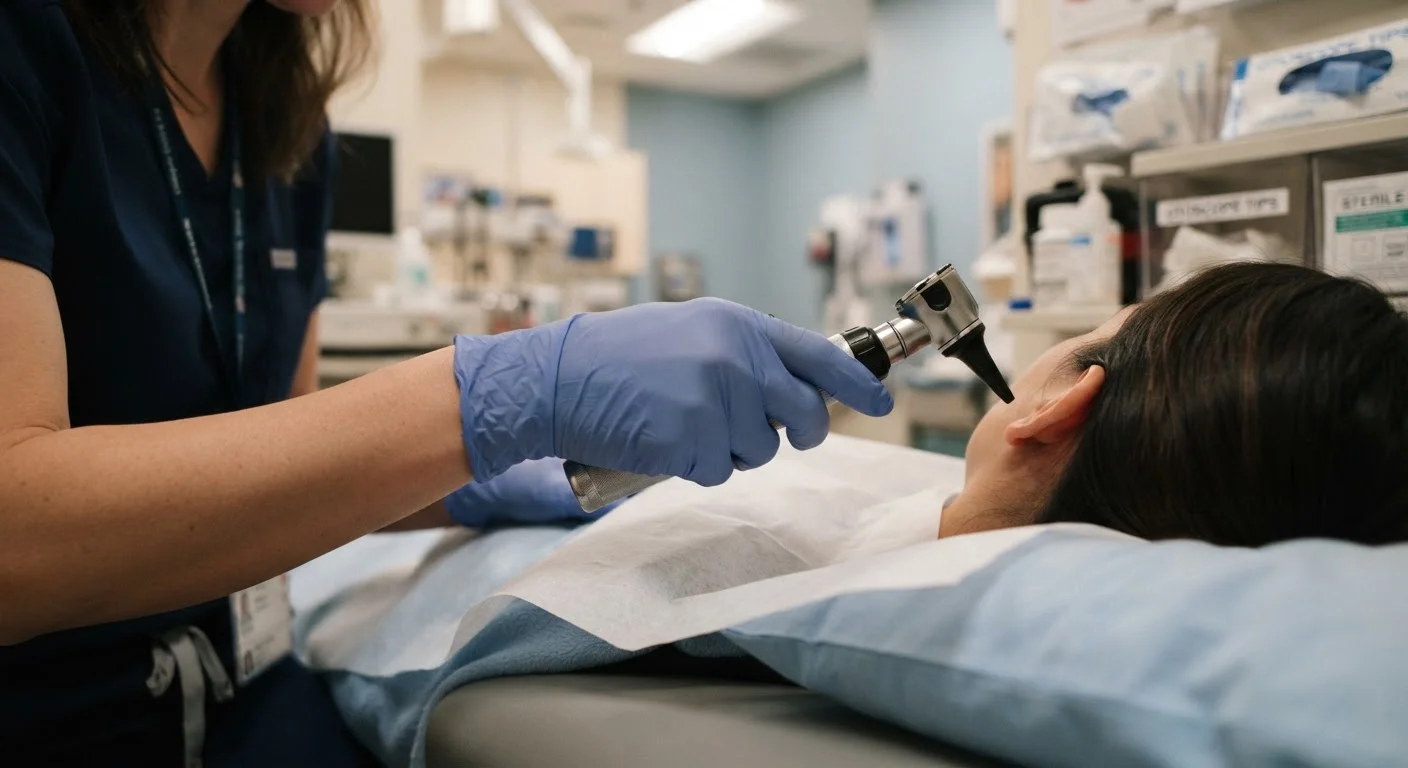
During the test, a clinician uses a small brush to collect cells from the surface of the cervix (the lower end of the uterus that opens into the vagina). Those cells are then examined in a laboratory. Modern cervical screening programs in the United States primarily test for high-risk strains of human papillomavirus (HPV) — the virus responsible for the vast majority of cervical cancers — and may also assess cell appearance (cytology) at the same time.
It is worth knowing that cervical screening is not a test for ovarian cancer, uterine cancer, or sexually transmitted infections generally. Its focus is specifically the cervix. For questions about what else a gynaecology visit should cover, see questions worth asking at a gynaecology appointment.
Recommended Screening Intervals
Current U.S. guidelines from major medical organizations, including the U.S. Preventive Services Task Force (USPSTF), offer the following general framework for people with a cervix:
- Ages 21–29: A Pap test (cytology alone) every three years. HPV testing is generally not recommended as a standalone screen in this age group because HPV infection is common and usually clears on its own.
- Ages 30–65: A choice between a Pap test every three years, an HPV test alone every five years, or a combined co-test (HPV plus cytology) every five years.
- Over 65: Screening may be discontinued if there is an adequate history of normal results and no high-risk history — but this decision should be made with a healthcare provider.
People who have had a total hysterectomy that included removal of the cervix, and who have no history of high-grade cell changes or cervical cancer, are generally advised they no longer need screening. Those with a history of significant abnormalities, a weakened immune system, or HIV may need more frequent screening — a clinician is the right person to determine the appropriate schedule.
HPV Vaccination Does Not Replace Screening
HPV vaccines significantly reduce the risk of infection with the most dangerous HPV strains, but they do not protect against all high-risk types. Vaccinated individuals are still advised to follow routine cervical screening schedules. Speak with your healthcare provider about both vaccination status and appropriate screening intervals for your situation.
Understanding Your Results
Receiving a result that isn't a straightforward "normal" can be unsettling, but most abnormal cervical screening results do not indicate cancer. Here is a plain-language guide to common result types:
Pap Smear (Pap Test)
A laboratory examination of cells collected from the cervix to look for abnormal changes in cell appearance (cytology). Named after physician George Papanicolaou, it has been a cornerstone of cervical cancer prevention for decades.
HPV (Human Papillomavirus)
A very common group of viruses spread through skin-to-skin contact, including sexual contact. Most HPV infections clear on their own, but persistent infection with certain high-risk strains can lead to cervical cell changes over time.
ASCUS
Atypical Squamous Cells of Undetermined Significance — a common mildly abnormal Pap result meaning some cells look slightly unusual but the cause is unclear. It often resolves without treatment but usually prompts HPV testing or a repeat smear.
CIN (Cervical Intraepithelial Neoplasia)
A graded classification (CIN 1, 2, or 3) describing the degree of abnormal cell growth on the cervix. CIN 1 is mild and often self-resolving; CIN 2 and 3 are higher-grade changes that are more likely to need treatment.
Colposcopy
A follow-up examination in which a clinician uses a lighted magnifying instrument to look closely at the cervix after an abnormal screening result. A small tissue sample (biopsy) may be taken for laboratory analysis.
Co-test
A cervical screening approach that combines an HPV test and a Pap (cytology) test in a single visit. Recommended for people aged 30–65 as one of several accepted screening strategies.
When HPV is detected, the next step depends on which strain is identified and what the cytology shows. High-risk strains (particularly HPV 16 and HPV 18) typically lead to a referral for colposcopy — a closer visual examination of the cervix. Many low-grade abnormalities resolve without any treatment as the immune system clears the infection. High-grade changes are more likely to need follow-up procedures to remove the affected tissue before any progression can occur.
Receiving an abnormal result is a prompt to act, not a reason for alarm. Following through on any recommended follow-up appointment is the most important step you can take. If you are ever uncertain about what your result means, ask your provider to walk you through it — that conversation is exactly what your care team is there for. Routine screening for preventive health is as valuable for women as it is for men; for context on how preventive screening works across genders, see health screenings men often skip.
This article provides general health information and educational content only. It is not a substitute for professional medical advice, diagnosis, or treatment. Always consult a qualified healthcare provider with questions about your individual health or screening needs.