

Key Takeaways
- Poor sleep and anxiety or depression reinforce each other in a documented bidirectional cycle.
- Hormonal fluctuations across the menstrual cycle, pregnancy, and menopause make women especially vulnerable to sleep disruption.
- Evidence-based sleep hygiene practices can meaningfully reduce both sleep problems and associated mood symptoms.
- Consistent sleep timing, reduced evening light exposure, and anxiety management techniques are among the most supported interventions.
- Persistent sleep difficulties warrant professional evaluation — effective treatments exist for both insomnia and related mood disorders.
Why the Sleep–Mental Health Loop Hits Women Differently
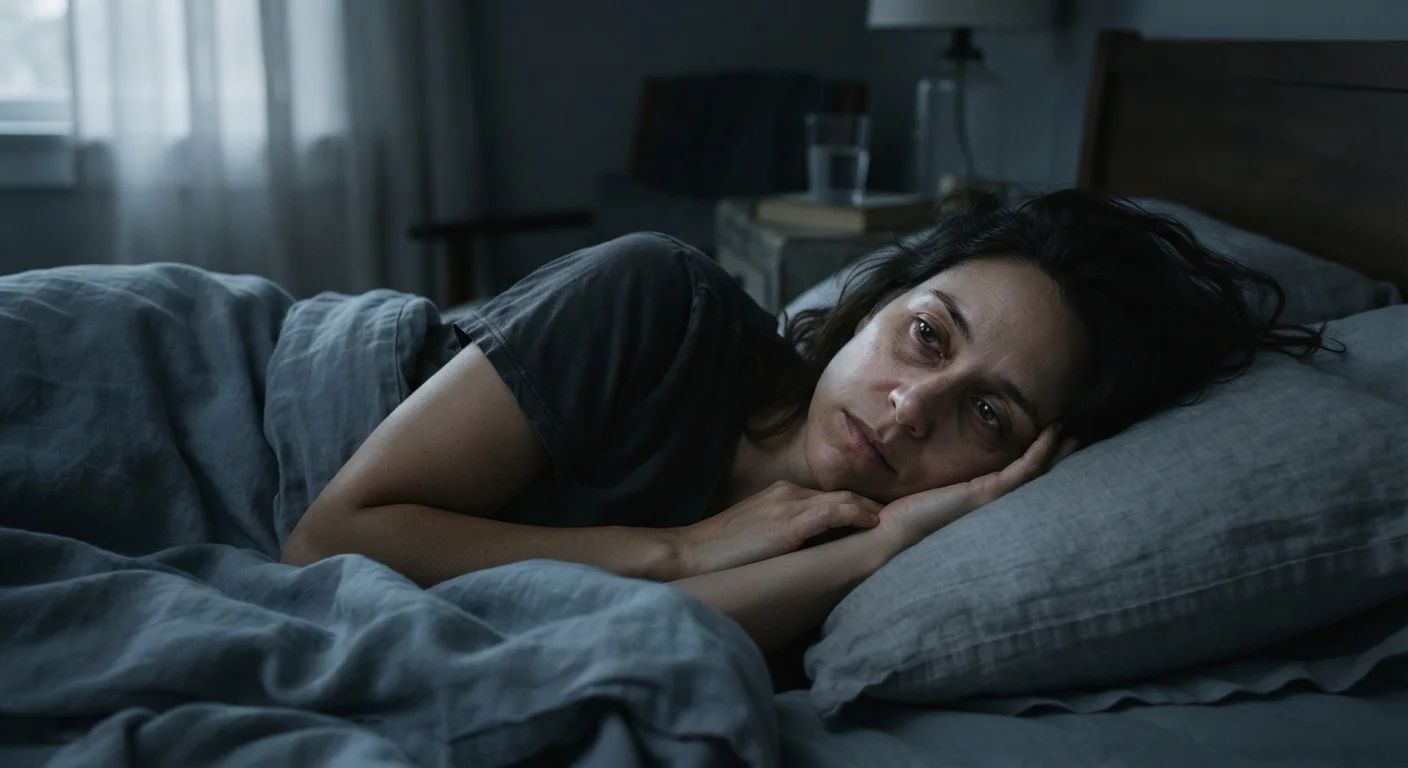
Sleep and mental health don't just influence each other — they are deeply entangled, and research consistently shows that women are disproportionately affected by both ends of this relationship. Women are roughly twice as likely as men to experience anxiety disorders and depression across their lifetimes, and they also report higher rates of insomnia and non-restorative sleep.
This isn't coincidence. Reproductive hormones — estrogen, progesterone, and their fluctuations across the menstrual cycle, postpartum period, perimenopause, and menopause — directly affect sleep architecture, REM quality, and the brain circuits that regulate mood. As those hormone levels shift, so can both sleep quality and emotional resilience. For a deeper look at how cortisol and melatonin interact with reproductive hormones, see how sleep, stress, and hormones pull on each other.
Understanding that this is a bidirectional loop — not a simple cause-and-effect chain — is the first step toward breaking it. Poor sleep amplifies emotional reactivity and lowers the brain's capacity to regulate distress. Meanwhile, anxiety and depression frequently fragment sleep, creating the very conditions that worsen them.
Evidence-Based Sleep Hygiene Practices That Support Mental Health
Sleep hygiene is not a single habit — it is a constellation of behavioral and environmental adjustments supported by substantial clinical evidence. The practices below are drawn from cognitive behavioral therapy for insomnia (CBT-I), which is currently considered a first-line treatment for chronic insomnia by major sleep medicine bodies. These are general wellness strategies; if you are managing a mental health condition, please work with a qualified healthcare provider for personalized guidance.
Anchor your sleep and wake times to a consistent daily schedule, including weekends.
The brain's circadian clock depends on regularity to coordinate the hormonal signals — particularly melatonin and cortisol — that promote sleep onset and morning alertness. Irregular schedules weaken this rhythm, increasing both sleep latency and daytime mood instability.
Dim screens and overhead lighting for at least 60 minutes before your intended bedtime.
Blue-spectrum light suppresses melatonin production, delaying the biological signal that prepares the brain for sleep. For women already dealing with hormonally disrupted sleep, preserving the natural melatonin rise in the evening is particularly important.
Use your bed only for sleep and intimacy — not work, scrolling, or emotionally activating content.
Stimulus control is a cornerstone of CBT-I. When the bed becomes associated with wakefulness, worry, or stimulation, the brain learns to activate rather than wind down upon lying down. Rebuilding the bed-sleep association is one of the most reliably effective behavioral interventions.
Practice a brief, structured wind-down routine that includes a relaxation technique.
Anxiety-driven hyperarousal is a primary driver of insomnia in women. Techniques such as diaphragmatic breathing, progressive muscle relaxation, or body-scan meditation activate the parasympathetic nervous system, lowering physiological arousal before bed. Consistent practice strengthens this response over time.
Limit caffeine intake after early afternoon and be mindful of alcohol's effect on sleep architecture.
Caffeine has a half-life of roughly five to six hours in most adults, meaning an afternoon cup can still be partially active at bedtime. Alcohol, though sedating initially, suppresses REM sleep and causes rebound wakefulness in the second half of the night — a pattern that worsens anxiety and mood the next day. See also lifestyle factors that quietly worsen anxiety.
Anxiety, Depression, and Sleep: Recognizing the Cycle
One of the most clinically important insights is that treating sleep and mood as separate problems often leads to incomplete improvement. Anxiety tends to produce hyperarousal — a state of mental alertness that makes it physically difficult to fall or stay asleep. Depression, conversely, often disrupts the architecture of sleep itself, reducing restorative slow-wave sleep and distorting REM patterns, which can intensify low mood the following day.
2×
Women's relative risk of insomnia vs. men
A meta-analysis published in Sleep Medicine Reviews found women have approximately 1.4 to 2 times the odds of insomnia compared to men, with hormonal transitions as a key contributing factor.
75%
Insomnia improvement rate with CBT-I
The American College of Physicians notes that cognitive behavioral therapy for insomnia (CBT-I) produces clinically meaningful improvement in approximately 70–80% of people with chronic insomnia.
Women navigating everyday stress and anxiety may find that sleep disruption is both a symptom and an amplifier — the very thing they need to address is made harder by the mental state driving it. Similarly, those exploring mood disorders and emotional wellbeing will often find sleep quality mentioned as a core factor in treatment outcomes.
Recognizing which end of the cycle is more dominant for you — sleep difficulty or mood symptoms — can help guide conversations with your doctor. Both CBT-I and evidence-based mental health therapies have shown effectiveness for the combined presentation.
This article is for informational purposes only and does not constitute medical advice. Always consult a qualified healthcare professional for personal health concerns, symptoms, or treatment decisions.