

Key Takeaways
- Chronic pain is biologically distinct from acute pain, involving changes in the nervous system itself.
- Central sensitization means the nervous system can maintain pain signals even without ongoing tissue damage.
- Treatments effective for acute pain — like short-term analgesics — are often insufficient or inappropriate for chronic pain.
- Chronic pain is a recognized medical condition, not a psychological weakness or exaggeration.
- Effective chronic pain management typically combines medical, psychological, and lifestyle approaches.
- Always consult a healthcare professional for personalized assessment and treatment of ongoing pain.
Chronic Pain
Chronic pain is pain that persists beyond the normal healing period — typically defined as lasting three months or more. Unlike acute pain, which serves as a warning signal that something is injured or wrong, chronic pain often continues even when no active tissue damage remains. It is recognized as a distinct condition with its own biological mechanisms, not simply a prolonged version of short-term pain.
Chronic pain frequently involves central sensitization — a state in which the central nervous system becomes amplified in its pain signaling, lowering thresholds and altering how pain signals are processed and perceived.
The Purpose of Pain — and Why That Changes
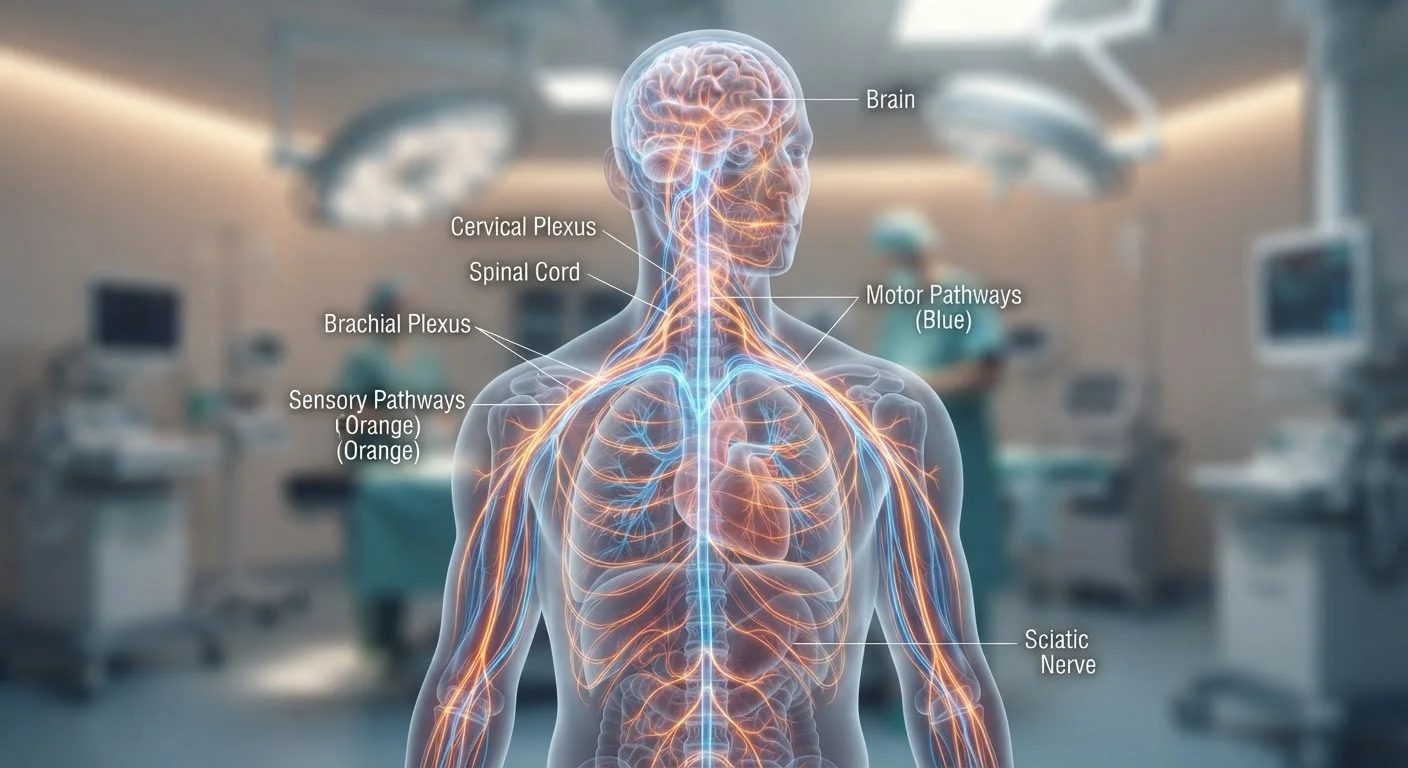
Acute pain is the body's alarm system. When you sprain an ankle or touch a hot surface, pain signals travel from specialized nerve receptors through the spinal cord to the brain, prompting a protective response. This process is largely adaptive — it drives you to rest, seek care, and avoid further harm. Once healing occurs, the signal stops.
Chronic pain does not follow this model. As explained in our overview of chronic conditions, when a condition persists beyond the body's expected recovery window, the underlying biology shifts. In chronic pain, the nervous system itself undergoes structural and functional changes — the alarm does not simply stay on, it becomes recalibrated to a lower threshold, more easily triggered, and harder to quiet.
Understanding this distinction is foundational. It explains why the question "why haven't you healed yet?" misses the point entirely — and why approaches designed for short-term pain management frequently fall short.
Central Sensitization: When the Nervous System Amplifies Pain
The key mechanism separating chronic from acute pain is central sensitization. With repeated or sustained pain signaling, neurons in the spinal cord and brain can undergo changes that make them hyperresponsive. Synaptic connections strengthen, inhibitory pathways weaken, and the threshold for firing pain signals drops. The result: stimuli that were previously painless — a light touch, mild pressure, even temperature changes — can register as painful.
This is not metaphorical. Neuroimaging research has shown measurable differences in the brain activity and structure of people with chronic pain conditions compared to those without. Areas involved in emotional processing, memory, and attention become entangled with pain perception, which partly explains why chronic pain so often coexists with fatigue, mood changes, and cognitive difficulties. The experience of persistent fatigue in chronic illness shares some of these overlapping neural pathways.
~20%
U.S. adults living with chronic pain
The CDC National Center for Health Statistics estimates approximately one in five U.S. adults experiences chronic pain.
3+ months
Minimum duration defining chronic pain
Most clinical guidelines, including those from the International Association for the Study of Pain, define chronic pain as pain persisting for three months or longer.
50%+
Chronic pain patients with comorbid depression or anxiety
Research consistently finds that more than half of individuals with chronic pain also experience significant depression or anxiety, reflecting shared neural pathways.
Central sensitization can occur across a wide range of conditions — fibromyalgia, chronic low back pain, osteoarthritis, and headache disorders among them — and helps explain why two people with seemingly similar injuries can have vastly different long-term pain experiences.
Why Treatment Must Differ
If the biology is different, the treatment approach must also differ. Short-term analgesics, rest, and immobilization are appropriate for acute injuries. Applied long-term to chronic pain, however, they frequently produce diminishing returns — and in some cases, worsen outcomes.
A Multidisciplinary Approach Yields Better Outcomes
Research consistently shows that combining physical, psychological, and educational strategies produces better long-term outcomes for chronic pain than any single treatment alone. If you are managing ongoing pain, ask your healthcare provider about referral to a multidisciplinary pain clinic or program, where specialists work together to address all dimensions of the condition.
Effective chronic pain management is typically multidisciplinary. Evidence-based approaches include:
- Pain neuroscience education: Helping patients understand the mechanisms of central sensitization has been shown to reduce fear-avoidance behaviors and improve function.
- Cognitive behavioral therapy (CBT): Psychological approaches address the emotional amplification of pain and support adaptive coping strategies.
- Graded exercise and physical therapy: Carefully paced movement can help recalibrate sensitized pathways over time, rather than aggravating them.
- Medication where appropriate: Certain medications — such as specific antidepressants or anticonvulsants — target nerve signaling rather than inflammation, and may be more relevant for centrally mediated pain.
The balance between patient-led strategies and clinician-guided treatment is an ongoing process; our guide to self-management vs. medical management explores how these roles interact in long-term care. For those experiencing joint-related chronic pain, joint pain patterns across age groups also provides relevant context.
This article is for informational purposes only and does not constitute medical advice. Always consult a qualified healthcare professional for assessment and guidance regarding any ongoing pain condition.