
Talking Therapy vs. Self-Help Strategies for Anxiety: What the Evidence Suggests

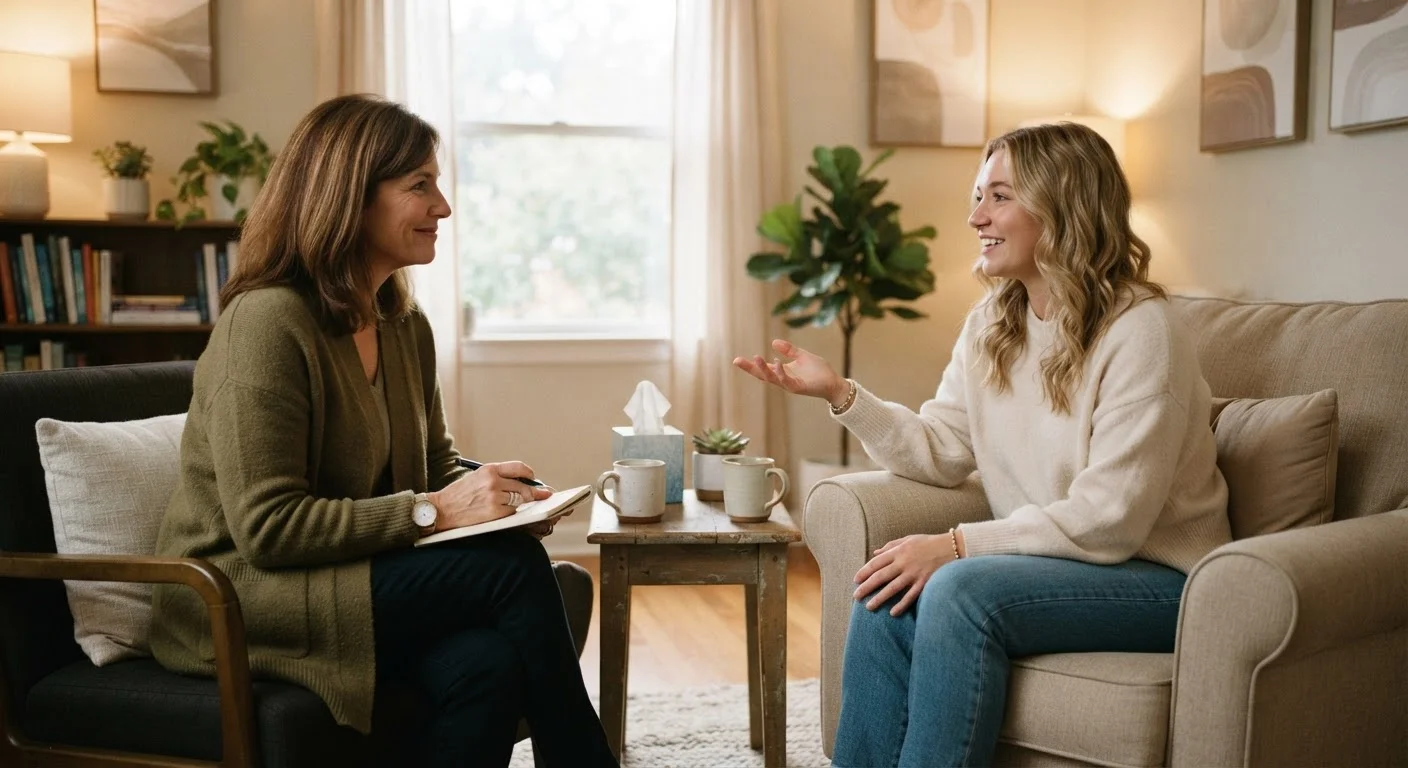
Key Takeaways
- Cognitive Behavioral Therapy (CBT) is among the most robustly evidenced treatments for anxiety disorders.
- Self-help strategies such as mindfulness, breathing exercises, and structured journaling can meaningfully reduce anxiety symptoms.
- Talking therapy tends to outperform self-help alone for moderate-to-severe anxiety, according to clinical research.
- Both approaches can complement each other; many therapists actively teach self-help skills for use between sessions.
- The right approach depends on anxiety severity, access to care, and personal preference — not a one-size-fits-all answer.
Our Verdict
Talking therapy — particularly CBT — carries the strongest evidence base for clinically significant anxiety and is especially valuable when symptoms interfere with daily life. Self-help strategies are genuinely useful, evidence-supported tools for mild anxiety and ongoing maintenance, and they integrate well alongside professional care. The two approaches are not rivals; for many people, combining them produces better outcomes than either alone.
| Best for | Recommended |
|---|---|
| Moderate-to-severe anxiety or diagnosed anxiety disorders | Talking Therapy (e.g., CBT) |
| Mild anxiety, stress management, and daily coping | Self-Help Strategies |
| Maintaining gains after completing a course of therapy | Self-Help Strategies |
| Those wanting the fastest, most durable symptom relief | Talking Therapy combined with Self-Help |
Understanding the Two Approaches
When anxiety becomes difficult to manage, two broad categories of support tend to come up: professional talking therapy and self-directed self-help strategies. Neither is a monolith. Talking therapy encompasses structured, evidence-based modalities delivered by a licensed clinician — most prominently Cognitive Behavioral Therapy (CBT), but also Acceptance and Commitment Therapy (ACT), and others. Self-help strategies range from guided mindfulness and breathing exercises to workbooks, journaling, and structured digital programs.
Both approaches aim to reduce anxiety symptoms and build long-term resilience, but they differ substantially in delivery, depth, and the types of anxiety they address most effectively. Understanding those differences helps you make a more informed choice — or recognize when both belong in your toolkit. For a practical framework on deciding between the two, see this guide on choosing between therapy and self-help.
What the Evidence Says About Talking Therapy
CBT has the most extensive research base of any psychological treatment for anxiety. Meta-analyses — studies that pool results across many individual trials — consistently show large effect sizes for CBT across generalized anxiety disorder, social anxiety, panic disorder, and specific phobias. A landmark 2018 meta-analysis published in JAMA Psychiatry found CBT produced meaningful, durable symptom reductions compared with control conditions, with benefits maintained at follow-up.
What makes talking therapy particularly powerful is the therapeutic relationship itself. A skilled clinician can identify cognitive patterns and behavioral avoidance cycles that are difficult to see from the inside, then work collaboratively to restructure them. Therapy also provides real-time feedback, accountability, and the ability to adapt when a technique isn't landing. You can explore specific CBT techniques in more depth through our overview of CBT-based approaches for anxious thoughts.
| Talking Therapy (e.g., CBT) | Self-Help Strategies | |
|---|---|---|
| Evidence strength | Very strong; large-scale RCTs and meta-analyses | Moderate; strongest for guided programs |
| Best suited for | Moderate-to-severe anxiety disorders | Mild anxiety and ongoing maintenance |
| Accessibility | Requires referral, appointment, or cost | Available immediately, often free |
| Personalisation | High — tailored to the individual | Variable — depends on the resource |
| Accountability | Built-in through clinician relationship | Self-directed; harder to sustain |
| Skill transfer | Clinician teaches techniques for long-term use | Skills learned independently at own pace |
| Typical duration | 6–20 structured sessions on average | Ongoing, self-paced |
What the Evidence Says About Self-Help Strategies
Self-help approaches are not simply a lesser substitute for therapy — they have their own evidence base. Mindfulness-based interventions, for instance, have been shown in multiple randomized controlled trials to reduce anxiety symptoms, particularly for people with mild-to-moderate presentations. Structured self-help programs based on CBT principles — sometimes called "bibliotherapy" when delivered via workbooks — have also demonstrated meaningful effects in research settings.
The key advantage of self-help is accessibility: it requires no appointment, no waitlist, and no cost barrier. That matters enormously in a landscape where mental health services remain unevenly distributed. However, research consistently shows that guided self-help — where a professional provides even brief, occasional check-ins — outperforms fully unguided self-help. Without structure or accountability, many people find it difficult to apply techniques consistently, especially when anxiety is at its most intense. To understand which self-help approaches tend to backfire, our piece on common self-help mistakes with anxiety is worth reading.
Getting More From Self-Help
Research suggests that self-help works better when it is structured and consistent. Choosing a program based on CBT principles — such as a published workbook or a clinician-recommended app — gives you a framework that mirrors what happens in therapy sessions. Even scheduling a brief monthly check-in with a GP or counselor can meaningfully improve outcomes compared with going it entirely alone.
Head-to-Head: Key Differences at a Glance
The table above outlines how talking therapy and self-help strategies compare across the dimensions most relevant to someone deciding between them — or considering both. Severity of symptoms, available time, and access to a clinician all reasonably shift the balance. It is also worth noting that many therapists actively assign self-help exercises between sessions, meaning the boundary between these approaches is often intentionally blurred in practice.
For anxiety that is persistent, significantly impairing daily function, or connected to a specific trauma history, professional therapy is strongly recommended. Our article on when to seek professional help for stress or anxiety covers the key warning signs in more detail.
This article is for informational purposes only and does not constitute medical advice. If you are experiencing significant anxiety symptoms, please consult a qualified mental health professional for personalised guidance.