

Key Takeaways
- Most adults fall short on fibre, calcium, vitamin D, potassium, magnesium, and iron according to population-level dietary data.
- Each of these nutrients drives essential physiological processes—from bone density to nerve signalling and oxygen transport.
- Whole foods, not supplements, remain the most reliable and bioavailable way to close most nutritional gaps.
- Dietary patterns—not single foods—determine overall nutrient adequacy over time.
- Certain populations, such as pregnant individuals and older adults, face heightened risk for specific deficiencies and should consult a healthcare provider.
Why Nutritional Gaps Are So Common
Despite an abundant food supply, large-scale dietary surveys—including data from the USDA's National Nutrient Database analyses and the CDC's National Health and Nutrition Examination Survey (NHANES)—repeatedly identify a cluster of nutrients that a significant proportion of adults consume below recommended levels. These shortfalls are rarely the result of a single poor choice; they typically reflect broader dietary patterns heavy in ultra-processed foods and light in vegetables, legumes, whole grains, and dairy or dairy alternatives.
Understanding which nutrients tend to fall short—and why they matter physiologically—equips you to make more deliberate food choices. For a grounding in how vitamins and minerals function in the body generally, see our guide to micronutrients. The list below covers the nutrients population data most consistently flags as under-consumed, alongside the foods most likely to help you meet your needs.
Dietary Fibre
Fibre is perhaps the most consistently under-consumed nutrient in the American diet. Current Dietary Guidelines suggest adults aim for roughly 22–34 grams per day depending on age and sex, yet average intake hovers closer to 15 grams. Fibre supports bowel regularity, feeds beneficial gut bacteria, moderates blood glucose responses, and contributes to sustained satiety—making it central to both digestive and metabolic health.
Key food sources: Lentils, black beans, chickpeas, split peas, oats, barley, whole-wheat bread, broccoli, Brussels sprouts, pears, apples (with skin), and almonds. Learn more about fibre's role in gut health and blood sugar.
Average adult fibre intake is roughly half the recommended daily amount.
Calcium
Calcium is the most abundant mineral in the human body, with roughly 99% stored in bones and teeth. Beyond structural support, it is essential for muscle contraction, nerve transmission, and blood clotting. Inadequate intake over time is associated with reduced bone mineral density. Adults generally need 1,000–1,200 mg per day, depending on age and sex, but many fall short—particularly those who limit dairy.
Key food sources: Low-fat dairy (milk, yogurt, cheese), calcium-set tofu, fortified plant-based milks (soy, oat, almond), canned sardines or salmon (with bones), kale, bok choy, and fortified orange juice. For those avoiding dairy, non-dairy calcium sources can meaningfully contribute when chosen thoughtfully.
Calcium supports bone density, muscle function, and nerve transmission throughout life.
Vitamin D
Vitamin D occupies an unusual position in nutrition: the body synthesises it via sun exposure, yet lifestyle factors (indoor work, sunscreen use, geographic latitude) mean many adults produce insufficient amounts. Vitamin D facilitates calcium absorption, supports immune function, and plays a role in muscle health. NHANES data has found inadequate levels widespread across the U.S. adult population. The Recommended Dietary Allowance is 600–800 IU daily for most adults, rising to 800 IU for those over 70.
Key food sources: Fatty fish (salmon, mackerel, trout), cod liver oil, egg yolks, beef liver, and—critically—fortified foods such as dairy milk, many plant milks, and some breakfast cereals. Because dietary sources alone are often insufficient, a healthcare provider can assess whether supplementation is appropriate for your situation.
Vitamin D deficiency is widespread partly because few foods contain it naturally in meaningful amounts.
Potassium
Potassium is an electrolyte critical for maintaining healthy blood pressure, fluid balance, and normal heart and muscle function. The Adequate Intake is 2,600–3,400 mg per day for adults, yet average consumption falls well below this threshold in most surveys. Low potassium intake, especially alongside high sodium intake, is associated with elevated cardiovascular risk in population studies.
Key food sources: Bananas, avocados, potatoes (with skin), sweet potatoes, white beans, lentils, spinach, beet greens, tomato products, and low-fat dairy. The broader dietary pattern matters here—whole-food diets naturally deliver more potassium than diets centred on processed foods.
Potassium helps regulate blood pressure, and most adults consume far less than recommended.
Magnesium
Magnesium participates in more than 300 enzymatic reactions, including protein synthesis, energy production, blood glucose control, and blood pressure regulation. It also contributes to bone structure. The RDA ranges from 310–420 mg per day depending on age and sex. Surveys suggest a large percentage of adults consume less than recommended, often because magnesium-rich foods—whole grains, nuts, and dark leafy greens—are under-represented in typical Western diets.
Key food sources: Pumpkin seeds, chia seeds, almonds, cashews, peanuts, black beans, edamame, whole-wheat bread, brown rice, spinach, and dark chocolate (70%+ cacao). Using online nutrition calculators can help you estimate whether your current intake aligns with general guidelines.
Magnesium drives hundreds of enzymatic reactions, yet many adults consistently fall short of it.
Iron
Iron is essential for producing haemoglobin—the protein in red blood cells that carries oxygen throughout the body—and for supporting immune function and cognitive performance. Iron deficiency is the most common nutritional deficiency worldwide. While men's needs are relatively modest (8 mg/day), women of reproductive age require 18 mg/day, and those who are pregnant have substantially higher needs. Iron exists in two dietary forms: haem iron (from animal foods, more readily absorbed) and non-haem iron (from plants, absorption influenced by other dietary factors).
Key food sources: Beef, chicken liver, oysters, clams, sardines, tofu, lentils, fortified cereals, pumpkin seeds, and dark leafy greens. Pairing plant-based iron sources with vitamin C-rich foods significantly improves absorption. Strategies for maximising non-haem iron absorption are especially relevant for those following plant-forward diets.
Pairing plant-based iron with vitamin C meaningfully boosts how much your body can absorb.
Building a Diet That Covers the Gaps
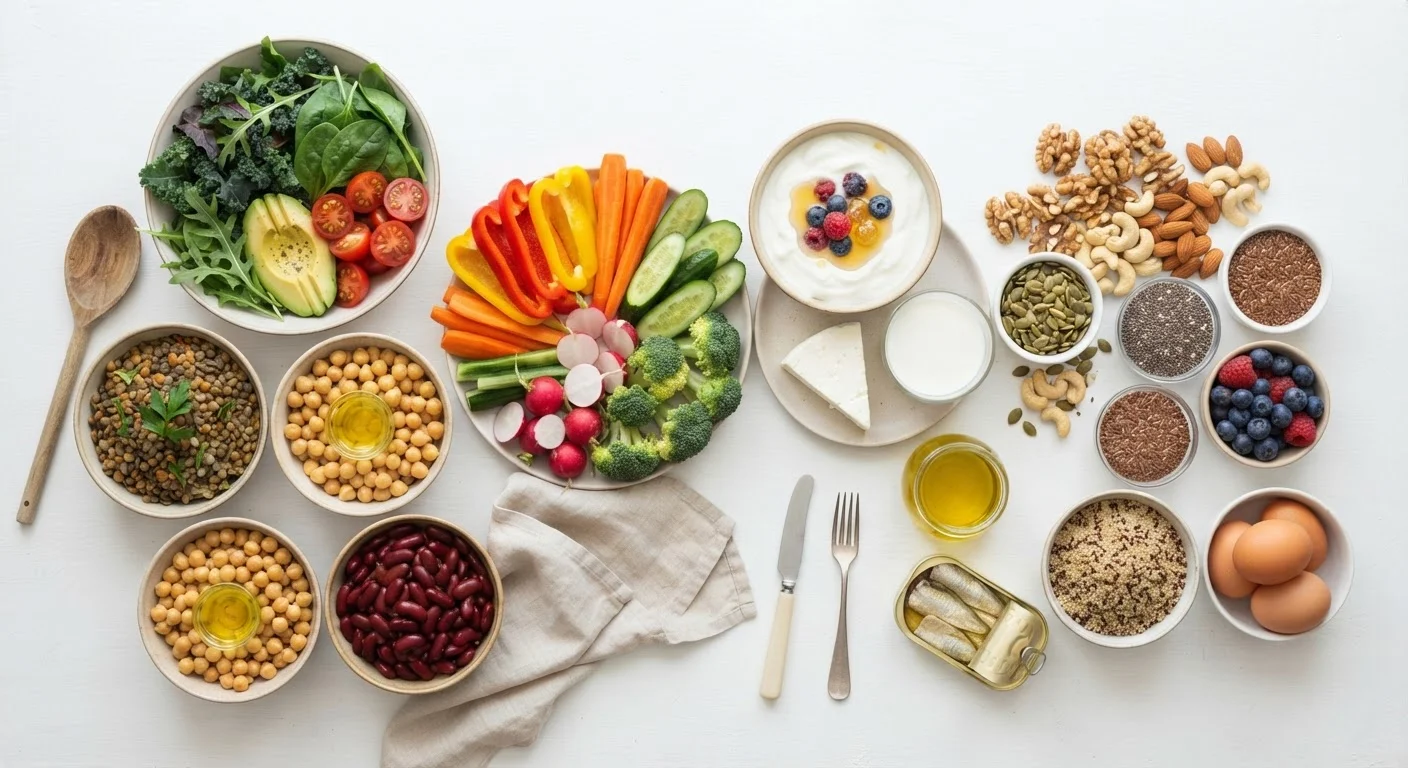
No single food covers every shortfall. The most practical approach is to anchor meals around food groups that deliver several of these nutrients simultaneously—leafy greens, legumes, fortified dairy or plant milks, fatty fish, nuts, and seeds appear across nearly every category above. Legumes in particular are among the most nutrient-dense, affordable foods available, contributing fibre, magnesium, iron, and potassium in a single serving.
Prioritise Food Variety Over Fortification
While fortified foods and supplements can help in specific circumstances, whole foods deliver nutrients within a matrix of fibre, phytochemicals, and co-factors that support absorption and overall health in ways that isolated supplements may not replicate. Aim to diversify your plate across food groups before reaching for a pill. If you do consider supplementation, discuss appropriate forms and doses with a registered dietitian or physician.
If you suspect specific deficiencies or belong to a higher-risk group—older adults, those who are pregnant, individuals following a restrictive diet, or people with chronic health conditions—speak with a registered dietitian or your primary care provider before making significant dietary changes or considering supplementation. For a broader look at how these nutrients fit within overall diet quality, the Healthy Eating Basics hub offers evidence-based guidance across all major food groups.
This article is for general informational and educational purposes only. It is not a substitute for professional medical or dietary advice, diagnosis, or treatment. Always consult a qualified healthcare professional regarding your individual health needs.