

Fitness & Movement Editorial Team

Cardio vs. Strength Training: What Matters More for Long-Term Health?
A balanced look at how cardiovascular and resistance training each contribute to health — …

Common Beliefs About Exercise That Science Has Largely Moved Past
From 'no pain no gain' to spot reduction, several popular fitness ideas don't hold up to s…

Exercise Intensity Levels: Low, Moderate, and Vigorous — Knowing the Difference
Intensity shapes what your workout does. Understand how low, moderate, and vigorous effort…

Flexibility vs. Mobility: Two Related Concepts That Aren't the Same Thing
Flexibility and mobility are often used interchangeably — but they train different things.…

How to Build a Weekly Exercise Routine That Actually Sticks
Structure a realistic, sustainable weekly movement plan — covering frequency, intensity, r…

Moving More Without a Gym: Everyday Activity and Why It Counts
Structured workouts aren't the only way to be active. Explore how incidental movement fits…

Principles Every Adult Should Know Before Starting a New Exercise Programme
Specificity, progression, recovery, and consistency — these foundational principles underp…

Progressive Overload: The Principle Behind Every Effective Training Plan
Progressive overload is the core mechanism of physical adaptation. Learn what it means, wh…
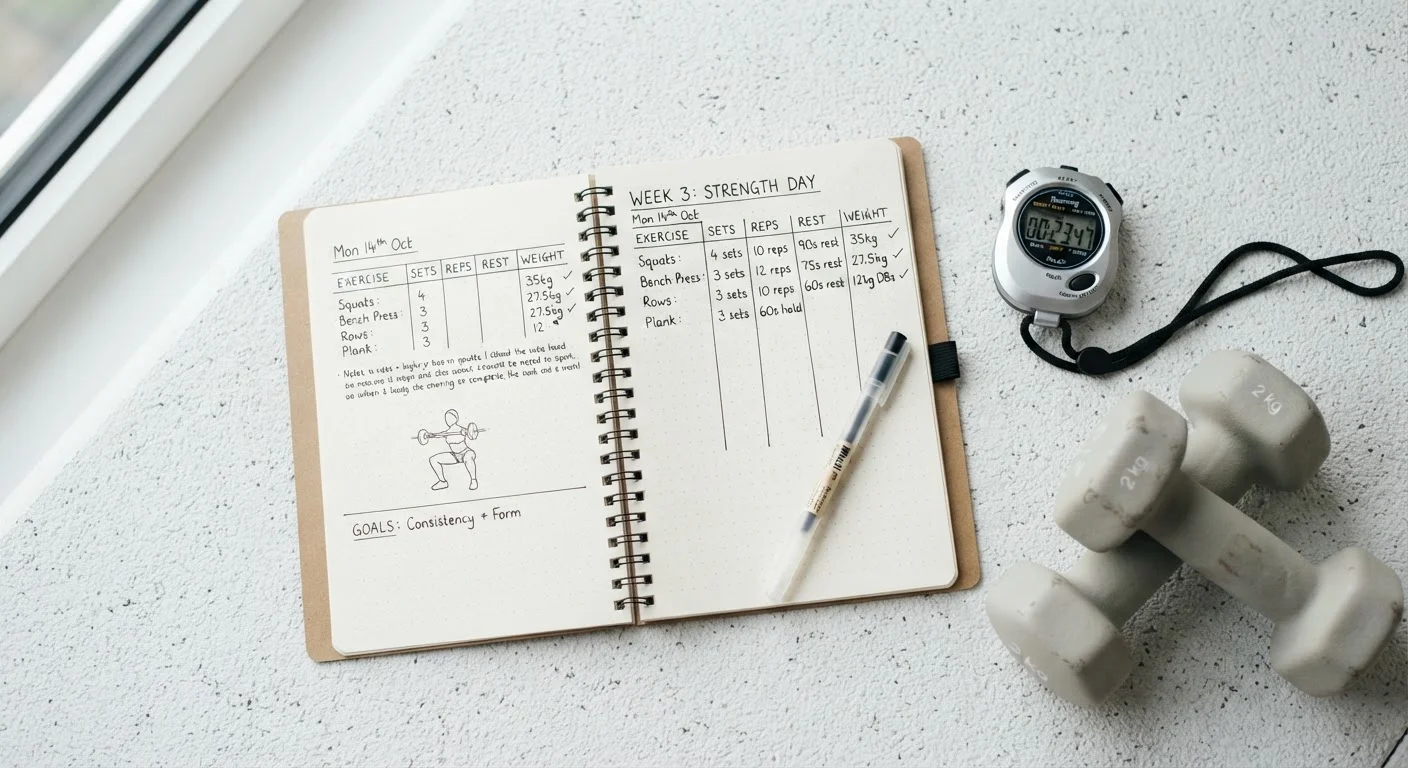
Reps, Sets, and Rest: A Plain-Language Glossary for New Exercisers
Confused by gym terminology? This quick-reference glossary defines the most common exercis…

Short Workouts vs. Longer Sessions: Trading Duration for Frequency
Is a 20-minute session five days a week as effective as an hour three times a week? A prac…

Starting Exercise After a Long Break: What to Expect in the First Month
Muscle soreness, fatigue, and motivation dips are all normal at first. Here's a realistic …

The Main Types of Exercise and What Each One Does for Your Body
Aerobic, strength, flexibility, balance — learn what each exercise type trains and why a m…

Warming Up and Cooling Down: What the Evidence Actually Says
Do warm-ups prevent injury? Does cooling down reduce soreness? We look at what research su…

Why Beginners Often Quit in Week Three — and How to Move Past It
The initial motivation dip is predictable and well-documented. Understanding why it happen…

Why Rest Days Are Part of the Workout, Not a Break from It
Rest days aren't laziness — they're when your body rebuilds. Understand what happens physi…

Your First Month of Regular Exercise: A Week-by-Week Readiness Checklist
Use this week-by-week checklist to track key markers — sleep, soreness, energy, and consis…

Building a Weekly Exercise Routine That Balances Strength and Cardio
Learn how to structure a weekly training schedule that develops both muscular strength and…

Cardio Myths That May Be Holding Your Fitness Back
From fat-burning zones to fasted cardio, many widely held beliefs about aerobic exercise d…

Compound vs. Isolation Exercises: Choosing the Right Tool for Your Goals
Squats, deadlifts, curls, and flyes each serve different purposes. This comparison clarifi…

Free Weights vs. Resistance Machines: Understanding the Trade-Offs
Neither free weights nor machines are universally superior. Explore the practical differen…

Getting Started with Resistance Training as an Adult
A grounded introduction to resistance training for adults with no gym background — coverin…

Progressive Overload: The Principle Behind Getting Stronger Over Time
Progressive overload is the foundation of effective strength training. Learn what it means…

Rest, Recovery, and Adaptation: The Often-Skipped Side of Fitness
Training creates the stimulus; recovery is where adaptation happens. Understand why rest i…

Returning to Exercise After a Long Break: A Structured Approach
Coming back to training after weeks or months away carries specific risks. This checklist …

Steady-State Cardio vs. Interval Training: What Each Does for Your Health
Steady-state and interval training produce different physiological effects. This breakdown…

Strength Training Across the Lifespan: What Changes With Age
Muscle loss and hormonal shifts affect how adults respond to resistance training over deca…

Strength Training and Cardio: Why Adults Need Both
Resistance training and cardio serve different but complementary roles in long-term health…

Strength and Cardiovascular Fitness: A Complete Overview for Everyday Adults
A comprehensive guide covering how strength and cardio training work, how they interact, a…

The Case for Zone 2 Training: Low-Intensity Cardio and Long-Term Health
Zone 2 cardio is gaining attention among health researchers. Understand what it is, how it…

VO2 Max, Heart Rate Zones, and Lactate Threshold: A Plain-English Reference
Demystifying the key metrics used to measure cardiovascular fitness, from VO2 max to heart…

When Cardio Undermines Strength Gains — and How to Avoid It
Too much cardio alongside heavy lifting can interfere with muscle development. Learn the p…

Why Muscle Soreness Doesn't Mean Your Workout Worked
Delayed onset muscle soreness is widely misunderstood. Separating the myths from the facts…

Active Recovery vs. Complete Rest: What the Research Actually Says
Should you move gently on rest days or do nothing at all? A look at the evidence behind bo…

Building a Weekly Recovery Routine Around Your Training Schedule
Rest days don't have to be random. Learn how to plan sleep, stretching, and active recover…

Common Beliefs About Stretching That the Evidence Doesn't Support
From 'stretching prevents injury' to 'you must stretch after every session' — separating w…

Foam Rolling: What It Does, What It Doesn't, and How to Use It
Foam rollers are widely used but often misunderstood. A clear breakdown of the evidence on…

Joint Mobility Across the Lifespan: How Range of Motion Changes with Age
Mobility naturally shifts as we age. Understand what drives those changes and what regular…

Mobility Work Explained: More Than Just Flexibility
Flexibility and mobility are related but distinct. This explainer unpacks what mobility tr…

Overtraining Syndrome: Understanding the Line Between Hard Work and Harm
Overtraining syndrome is more than feeling tired after a tough week. This guide explains i…
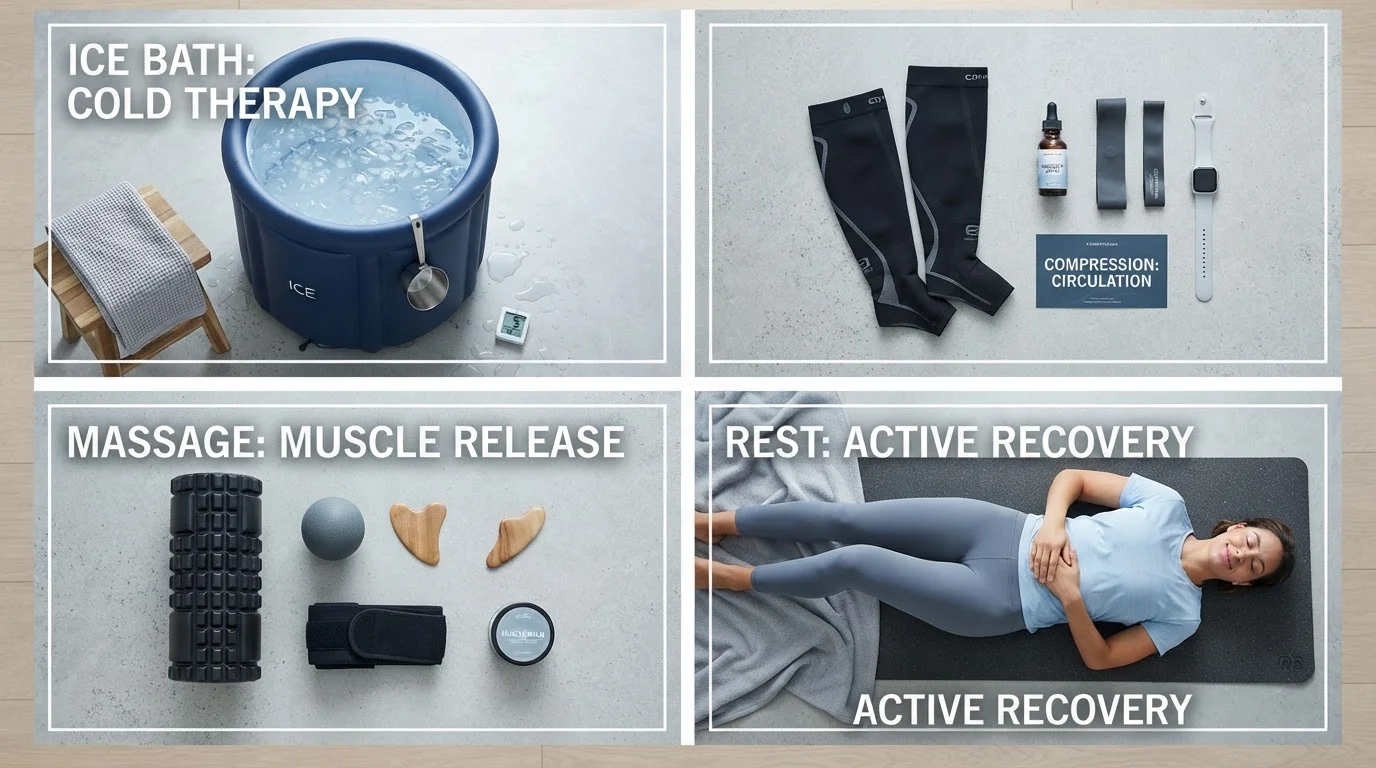
Recovery Methods Compared: Ice Baths, Compression, Massage, and More
A balanced look at popular post-exercise recovery strategies — what each targets, the stre…

Recovery and Mobility: A Complete Guide to Sustainable Fitness
Everything you need to understand about rest, stretching, and mobility work — how they int…

Signs Your Body Needs More Recovery Time Than You're Giving It
Persistent fatigue, plateauing performance, and mood changes can all signal under-recovery…

Sleep as a Recovery Tool: The Hormonal and Neurological Case
Growth hormone release, nervous system restoration, and memory consolidation — why sleep i…

Static Stretching vs. Dynamic Warm-Ups: Choosing the Right Tool
Static holds and dynamic movement serve different purposes. Learn when each type of stretc…
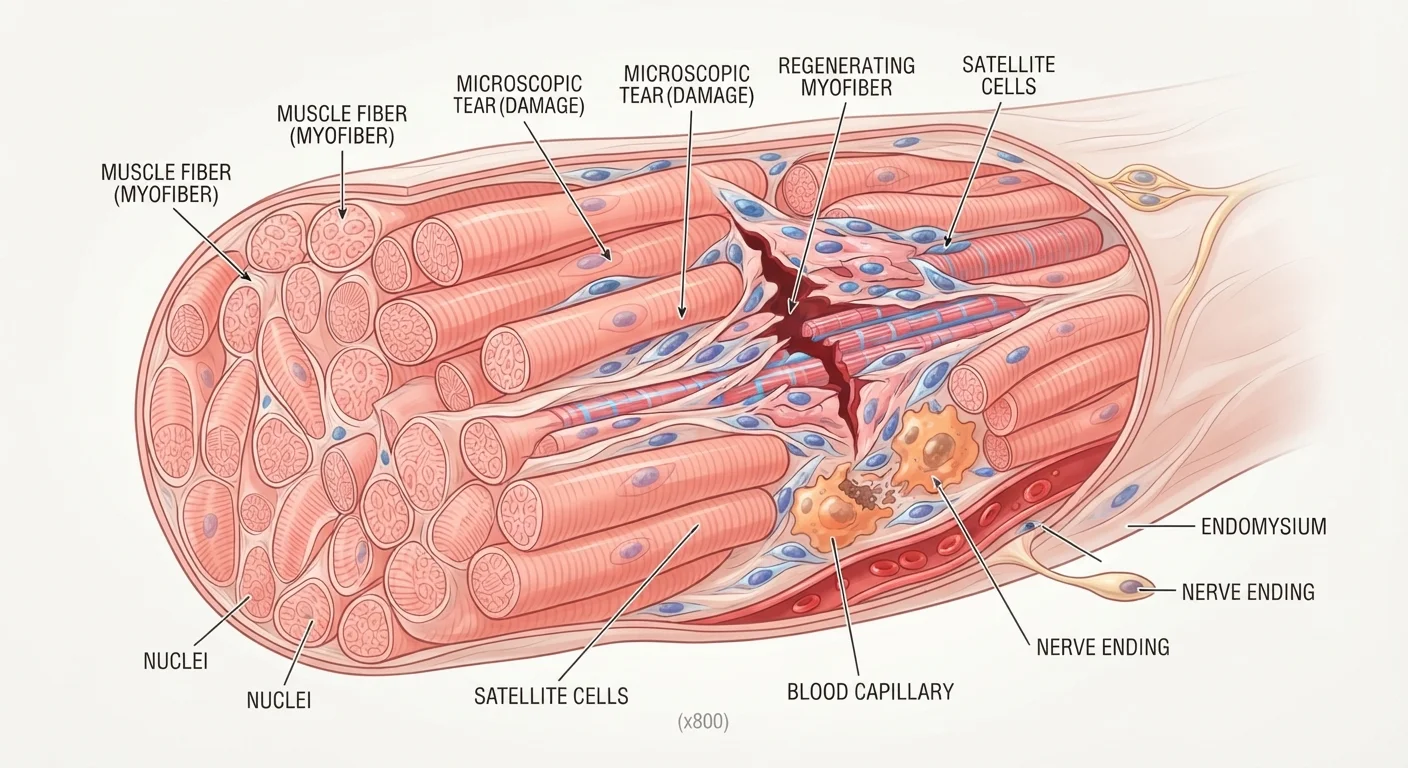
The Physiology of Muscle Repair: What Happens Between Workouts
Soreness, inflammation, and fibre rebuilding — a plain-language walkthrough of how your mu…

Why Recovery Is the Other Half of Any Training Plan
Exercise breaks your body down — recovery is what builds it back up. Here's the science be…

Why Skipping Cool-Downs Costs More Than You Think
The cool-down is often the first thing dropped when time is short. Here's what actually ha…

Your Post-Workout Recovery Checklist
A practical, evidence-informed checklist covering nutrition timing, hydration, movement, a…